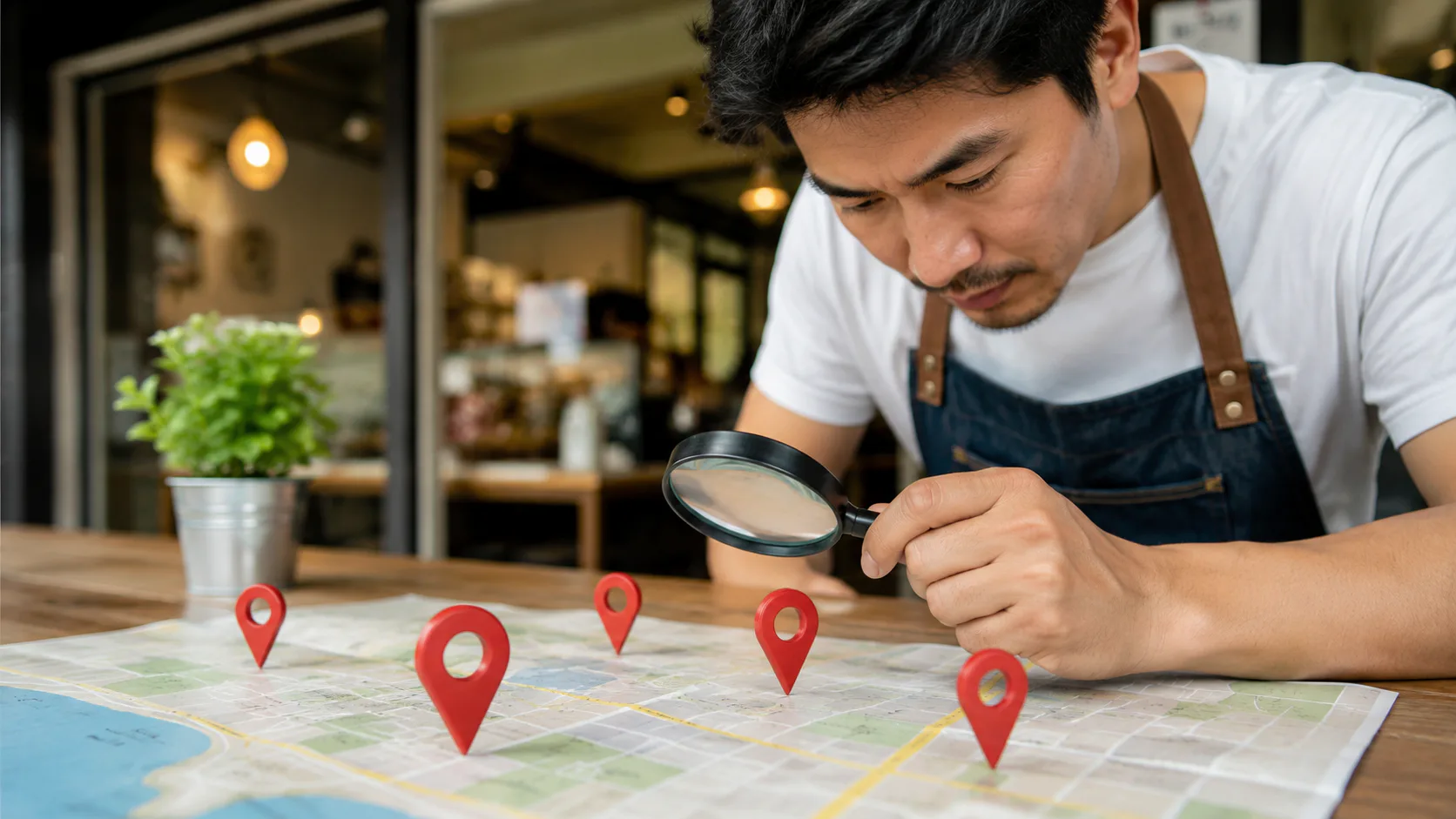
A Google Business Profile (formerly Google My Business) is the listing that appears when someone searches your business on Google or finds you on Google Maps. It works by pulling together your name, location, hours, photos, reviews and posts into a single panel that searchers can see without ever clicking through to your website.
Your profile is often the first thing a potential customer sees. If you are not actively managing it, you are letting Google and other people decide how your business shows up.
What Is a Google Business Profile?
Google Business Profile is a free tool that lets you manage how your business appears across Google Search and Google Maps. It works by giving you an editable listing tied to your business name and address, which Google then surfaces when someone searches for you by name, for your category in your area, or for services you offer.
A well-set-up profile gives you control over:
- Your business hours, phone number, address and directions
- Photos and videos of your premises, team, products or services
- Posts promoting events, offers, or news
- Links to your website and social media
- Bookings, reservations, appointments, and online orders
- Customer reviews and your responses to them
A lot of people will never visit your website. They search, find what they need on the profile panel, and act on it. That is the whole reason this tool matters. If your profile is incomplete, outdated or unclaimed, you are losing those customers to competitors who have done the work.
Your profile is one piece of a wider picture. For how it sits alongside the rest, see our search engine optimisation and digital marketing and SEO services.
Why Does Google Business Profile Matter for Local Search?
Local search is where most small and mid-size businesses win or lose new customers. According to Google’s own data, searches with local intent (variations of “near me” or a service plus a suburb) make up a significant share of queries on mobile, and the businesses Google shows in the local map pack are almost always those with claimed, complete, well-reviewed profiles.
A few practical reasons it matters:
- Visibility. Profiles with complete information, photos and recent activity rank higher in local results.
- Trust. Reviews and responses on your profile carry weight with new customers before they even land on your site.
- Conversion. A phone number, directions button and booking link sitting inside the search result removes friction. The customer does not have to hunt.
If your goal is to be found by people ready to buy now, your profile is one of the highest-leverage things you can fix this week.
How Do You Check If Your Business Already Has a Profile?
Before you create anything new, check whether a profile already exists. Google often generates profiles automatically from public sources, directory listings, and user contributions, so businesses that have been around for years frequently have a listing they have never seen.
Search your business name and city on Google or Google Maps. If a panel appears with your details, the profile exists, and you need to claim it. If nothing comes up, you can add a new listing.
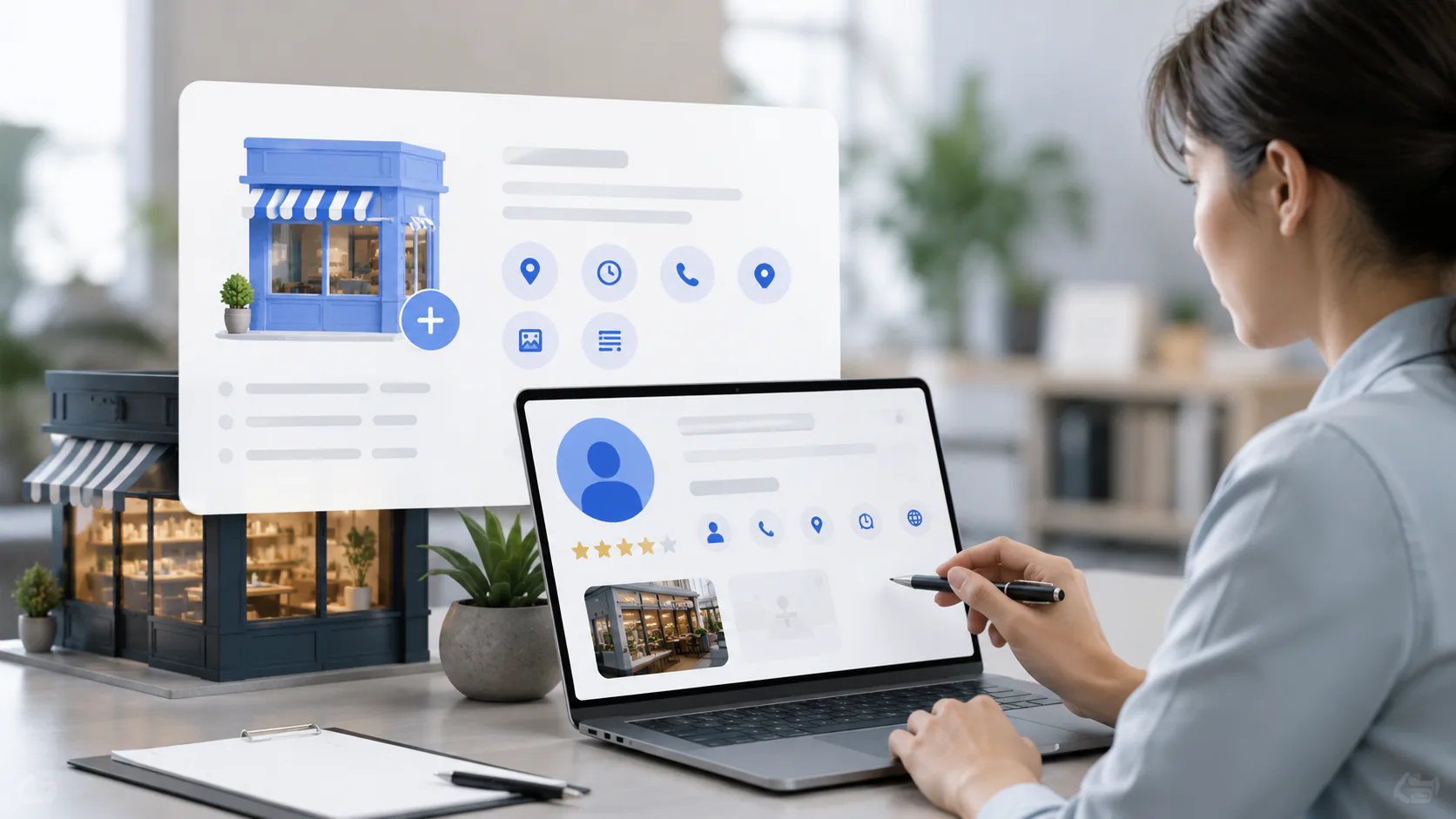
Setting Up Your Google Business Profile
The setup happens in one of two places now. The old standalone dashboard is gone, so you will work either through Google Search (recommended) or the Google Maps app.
Adding a New Profile
If your business does not have an existing listing:
- Sign in to the Google account you want associated with your business.
- Go to google.com/business and click Manage now, or search “add my business to Google” and follow the prompt.
- Enter your business name. If suggestions appear that match your business, select one. If not, click to create a new business.
- Choose your business category. Be specific. “Italian restaurant” works better than “restaurant”.
- Add your address, or set a service area if you visit customers rather than the other way around.
- Add your phone number and website URL.
- Continue to verification.
Claiming an Existing Profile
If a profile already exists, search your business on Google or Maps and look for an Own this business? or Claim this business link on the panel. Click it, sign in to your Google account, and follow the prompts.
You will be asked to confirm ownership, which moves you straight into verification.
How Do You Verify Your Google Business Profile?
Verification is how Google confirms you actually own or run the business. Without it, your edits do not go live.
After claiming or adding a listing, Google offers one or more of the following verification methods. You do not choose freely. Google decides which methods are available based on your business category, region, location, and how much public information already exists about you.
The most common methods are:
Video verification. You record a continuous video, at least 30 seconds long, on your mobile device, showing your business location, equipment, signage, and proof that you have access. Pre-recorded videos do not count. You record live through the verification flow. This is now the most common method for new listings.
Live video call. A Google representative joins a video call and asks you to show the same things you would in a recorded video. You need to be at the business location with proof of ownership ready.
Phone or text. A code is sent to your business number. Answer or open the message, enter the code, and done. Does not work for IVR systems.
Email. A code is sent to a business email address. Open the email and click through.
Postcard. A physical postcard with a code is mailed to your business address. This was the old default. It is now offered less often and takes five to fourteen days to arrive.
Verification can take up to five business days for video methods and longer for postcards. You will get an email confirmation once your profile is live.
Making the Most of Your Verified Profile
Verification gets you on the map. The work that comes after is what actually drives results.
Keep Your Information Current
Once verified, edit your profile through Google Search or Google Maps directly. Search your business name while signed in to the right Google account and you will see edit options on the panel itself. The Google Maps app on your phone shows a Business tab at the bottom of the screen when you are signed in to a verified profile.
What to check and update regularly:
- Hours, including public holidays and seasonal hours
- Phone number and website URL
- Services and products
- Business description (use natural language and include the terms your customers actually search for)
- Attributes (women-owned, wheelchair accessible, free wifi, outdoor seating, and so on)
Your business description is one of the few places you can write your own copy. Use it. Write it as you would talk to a customer who has just walked in.
Add Photos and Videos
Profiles with photos get more clicks. Exterior shots help people find your front door, while interior shots set expectations before they walk in. Team photos build trust, and product or service photos answer the question of whether you actually do what the customer needs.
Add photos either through Google Search (search your business, click Photos, then Add photos) or through the Google Maps app under the Business tab. Photos can take 24 to 48 hours to appear, and they need to follow Google’s content guidelines.
A sensible starting set:
- One clear exterior shot of the entrance or storefront
- Two to four interior shots
- Three to five product or service photos
- A team photo or two, if you are a service business
- A short video walkthrough, if you have one (under 30 seconds)
Post Updates Regularly
Posts are short updates that appear on your profile. They are a chance to share news, promote an offer, advertise an event, or highlight a new product. Posts also signal to Google that the business is active, which helps your ranking.
Three types of posts cover most needs:
- Update. General news or announcement.
- Offer. A promotion with start and end dates, plus an optional coupon code.
- Event. Something with a date and a call to action, like Book Now or Learn More.
A post a fortnight is a reasonable rhythm for most businesses. Weekly is better if you have the content.
Set Up Bookings and Ordering Where Relevant
If you run a service business such as a restaurant, salon, clinic or coach, customers can book directly from your profile. Google integrates with several booking providers, and you can also link to your own booking page if you have one.
For food businesses, you can manage your menu and accept online orders directly through the profile. This puts you alongside the bigger ordering platforms without the marketplace commission.
This is one of the highest-converting features of the profile. If it applies to your business, set it up.

How Do You Manage Reviews on Your Google Business Profile?
Reviews are public, permanent, and one of the strongest signals both Google and customers use to judge a business. You cannot delete legitimate negative reviews, but you can respond to all of them, and how you respond matters more than people think.
Four habits cover most of it:
- Respond to every review. Yes, every one. A thank you on a positive review takes thirty seconds and shows you are paying attention.
- Handle negative reviews calmly. Acknowledge the issue, apologise where appropriate, and offer to take the conversation offline. Do not argue. Future customers are reading.
- Ask happy customers to leave reviews. After a good experience, ask. Most people will not think of it on their own. A simple email or text with a link to your review page works.
- Check reviews weekly. Set a reminder or turn on notifications so you do not miss anything.
If a review breaches Google’s policy (spam, fake, personal attack, off-topic), you can flag it for removal, though approval is not guaranteed.
For more on how reviews shape what people think of your business, our piece Are Reviews All They’re Cracked Up to Be? is worth reading.
What Should You Track?
Google provides a Performance panel on your profile (accessed by searching your business while signed in, then clicking Performance). It shows:
- How many searches your profile appeared in
- How many people called, requested directions, visited your website or messaged you
- Which searches led to your profile (keyword data)
- How your profile compares to the previous period
Check this monthly. The keyword data alone is a free piece of SEO research most businesses ignore. If you see search terms you had not thought of, work them into your description, posts and services.
For a broader view of what to track across your digital marketing, see our guide on setting up your Google Analytics dashboard.
Common Mistakes to Avoid
A few things kill profile performance more than anything else:
- Inconsistent name, address or phone number across the web. If your details on Facebook, your website, and a directory listing all disagree, Google trusts you less. Make sure they match exactly.
- Empty or thin profiles. No photos, no description, no posts. Google sees the same thing customers do: a business that does not look open.
- Ignoring reviews. Especially negative ones. Reply, apologise where needed, and offer to make it right.
- Stuffing keywords into your business name. “Joe’s Plumbing | Cheap Brisbane Plumber 24 Hours” violates Google’s guidelines and can get you suspended.
- Setting and forgetting. A profile is a living thing. Hours change, photos get stale, posts expire.
Your Next Step
If you haven’t already, set aside time to set up your Google Business Profile. Once you’re verified, it only takes a few minutes each week to keep things fresh. Write a post. Add a couple of photos each month. Reply to new reviews. These steps, along with other ongoing local SEO efforts, can help you appear more often in local searches and bring more people through your door.
For a broader approach to local and general SEO, it helps to have a strategy that goes beyond the basics. We can support you in developing that strategy, guiding your business toward greater visibility and helping you connect with more of the right customers.